Turbulent Waters: The U.S.-Iran Relationship in Crisis
The U.S.-Iran relationship remains notoriously complicated, and recent developments underscore the precariousness of this geopolitical landscape. President Trump, with characteristic bravado, has intensified his rhetoric against Iran. This morning, he declared, “no more Mr. Nice Guy,” suggesting that if Iran does not comply with U.S. demands, the U.S. will target every bridge and power plant in the country. Such statements draw attention not only for their aggression but also for the potential violations they represent under international law, particularly the Geneva Conventions, which categorize attacks on civilian infrastructure as war crimes.
The backdrop of these threats is grim. Just days ago, President Trump had expressed optimism, suggesting a deal was imminent. However, Iran’s chief negotiator emphasized that the two nations remain “far apart.” This disconnect signals a significant chasm not just in negotiations but in the broader understanding of each nation’s intentions. Meanwhile, the Islamic Revolutionary Guard Corps has confirmed that Iran is actively replenishing its missile and drone arsenal during the ceasefire, indicating a robust military posture even amidst diplomatic engagement.
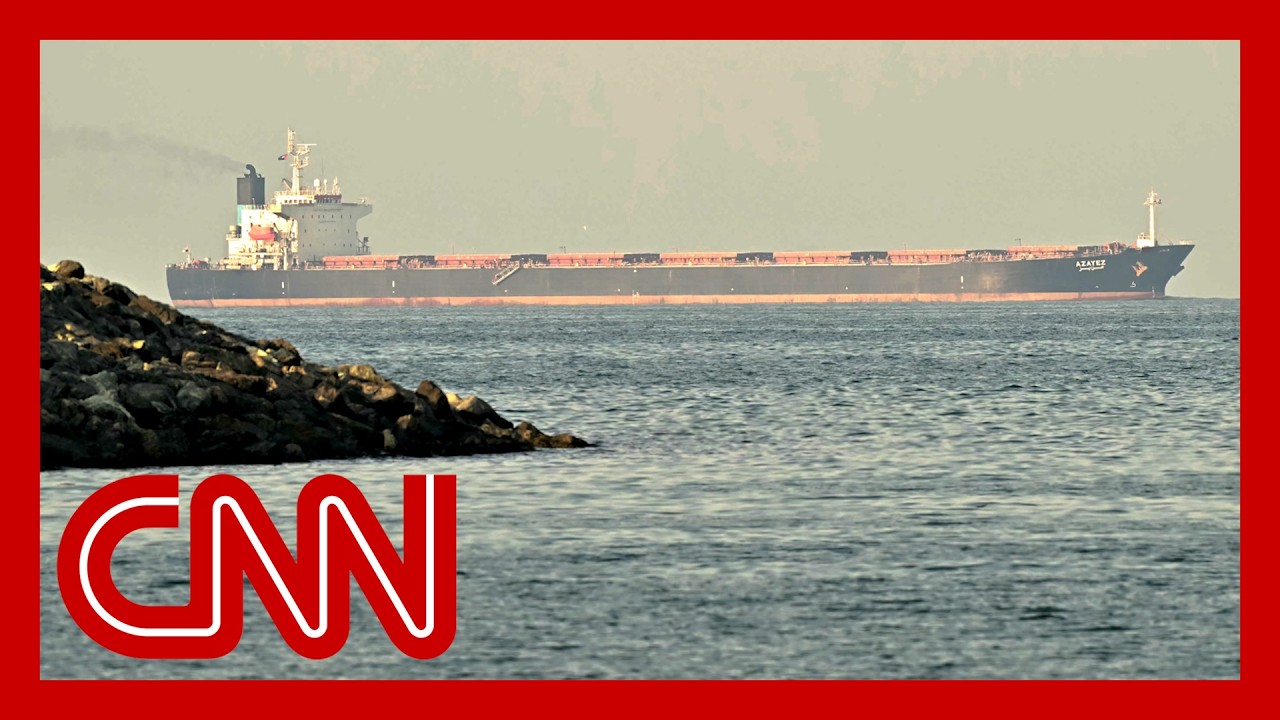
As tensions escalated, the Strait of Hormuz—an essential artery for global oil trade—remains effectively blocked. Iranian gunboats have reportedly targeted tankers attempting passage. This blockade reaffirms Iran’s influential grip on the global economy, maintaining pressure on oil markets despite the strategic talks occurring elsewhere.
Energy Secretary Chris Wray defended President Trump’s provocative statements, arguing that they are merely tactics to gain leverage in negotiations. He pointed out that infrastructure in Iran primarily supports its military operations, despite its impact on civilians. This rationale is troubling, as it minimizes the potential humanitarian costs associated with military action.
While Wray described talks as progressing well, the reality on the ground is starkly different. The U.S. blockade of Iranian ports continues, and tensions around the Strait of Hormuz are palpable. Rhetoric suggests a game of psychological warfare, where calculating the pain threshold of each party will ultimately determine the war’s trajectory.
Underlying this aggressive posturing is the question of concessions. Analysts posit that both sides may find themselves at an impasse, each unwilling to yield significant ground. President Trump faces pressure not only from Iran but also from domestic political factions, making the stakes even higher. Acknowledging Iran’s advanced military capabilities—especially its capacity to shut down the Strait of Hormuz at will—has become crucial in comprehending the complexities at play.
Turning to logistical concerns, the executive director of the Port of Los Angeles, Gene Soroka, noted uncertainties troubling stakeholders in North Asia. The specter of trade disruptions looms large. Shipping companies are increasingly wary of navigating intricate geopolitical waters, especially when crew safety is at risk. Concerns over fuel costs have also ballooned, driving up diesel prices 50% in California, thereby creating a trickle-down effect that impacts American consumers directly.
Despite these challenges, Soroka expressed optimism about the overall resilience of the supply chain. U.S. ports have managed to move cargo efficiently so far, suggesting that the economic impact is not yet fully realized. However, the shadow of escalating tensions could prolong this situation, leading to an extended period of instability.
Negotiations between the U.S. and Iran are set against a backdrop of mutual suspicion. While there are calls for renewed diplomatic engagement, the preconditions imposed by both sides complicate the potential for a peaceful resolution. Observers point out that any agreement will likely resemble the Joint Comprehensive Plan of Action (JCPOA) from 2015, which Trump had previously criticized.
Ultimately, the outcome of this ongoing conflict will hinge not only on the decisions made in high-stakes meetings but also on the evolving ground realities in the region. The interplay of military might, economic pressures, and diplomatic maneuvering will determine whether this turbulent chapter will transition toward reconciliation or lead to further crises.
As the situation develops, the world watches closely. The implications of this geopolitical struggle will resonate far beyond the immediate arena, influencing global stability and economic trajectories for years to come. The stakes are indeed high, and the consequences of failure in these negotiations could be felt across the globe.